
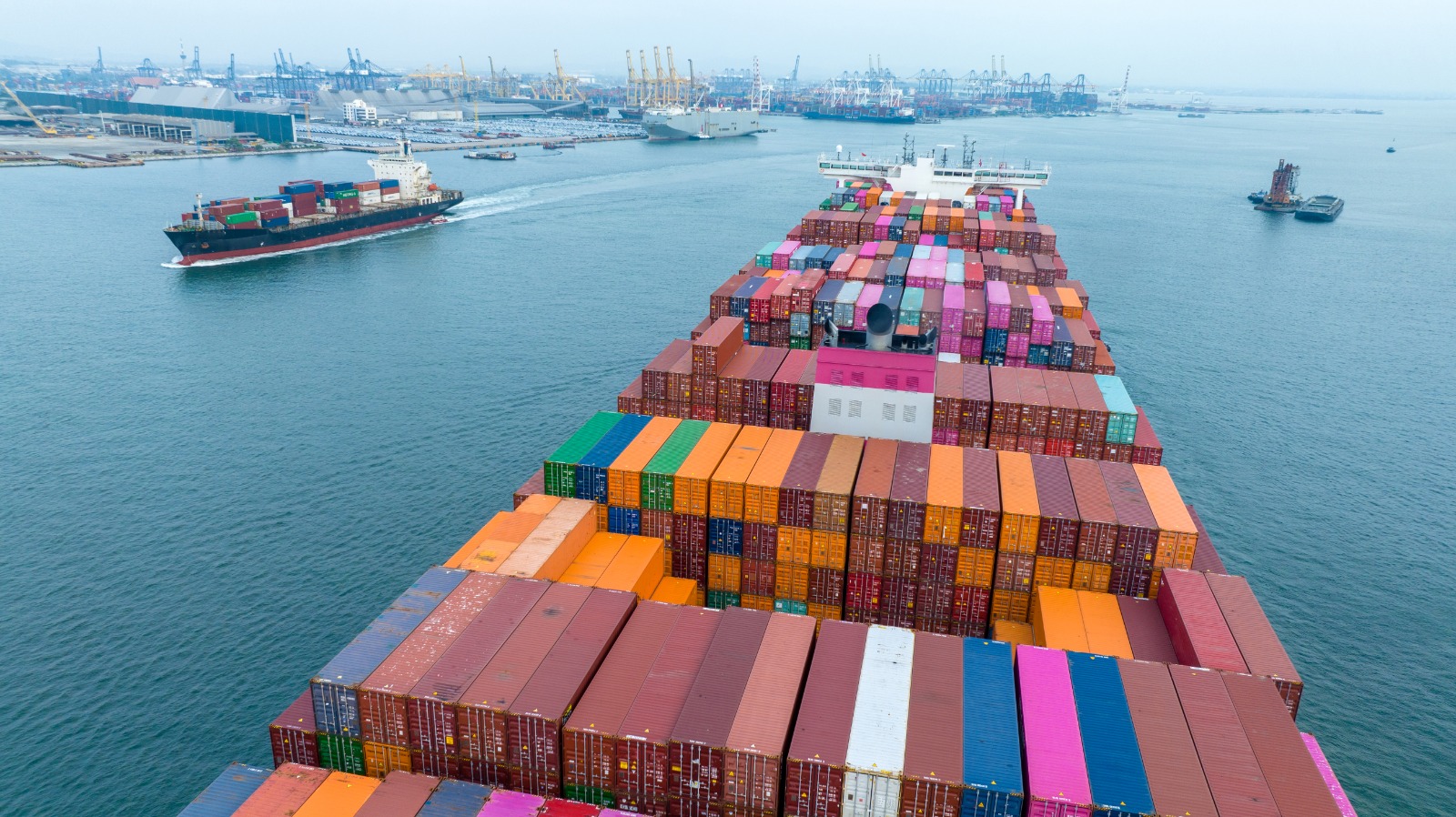
Navigating the Complexity of Global Trade: The Role of Real-Time Shipment Tracking Software
Discover how real-time shipment tracking software improves supply chain visibility, reduces detention and demurrage costs, automates logistics operations, and enhances global trade efficiency with XEMI’s AI-powered logistics platform.
Global trade has become increasingly interconnected, data-driven, and operationally demanding. For importers, exporters, customs brokers, freight forwarders, and EXIM consultants, managing modern logistics operations is no longer just about moving cargo from one point to another. It requires complete supply chain visibility, real-time shipment tracking, proactive logistics management, and the ability to respond instantly to disruptions across global supply chains. The logistics landscape is inherently complex, involving multiple stakeholders, regulatory requirements, customs compliance obligations, fragmented tracking systems, and numerous moving parts across ports, warehouses, shipping lines, and transportation networks. Traditional shipment-tracking methods often fall short of providing the transparency, agility, and operational intelligence businesses need to manage global logistics efficiently. Delayed shipments, misplaced cargo, lack of freight visibility, poor communication, and disconnected logistics systems can lead to major operational disruptions, customer dissatisfaction, compliance risks, and rising detention and demurrage costs. In many cases, organizations continue to rely on manual updates, spreadsheets, emails, and disconnected logistics-tracking tools, making proactive supply chain management almost impossible. This is where real-time shipment tracking software is transforming the future of global trade logistics.
The Power of Real-Time Shipment Tracking in Global Logistics

Real-time shipment tracking revolutionizes how businesses manage logistics by providing continuous visibility into shipments, containers, freight movement, customs status, and transportation milestones across the entire supply chain. By leveraging advanced technologies such as AI-powered logistics automation, API integrations, AIS tracking, container visibility systems, predictive analytics, and cloud-based supply chain platforms, businesses can achieve unprecedented operational transparency and actionable logistics intelligence. Modern shipment-tracking software empowers organizations to make faster decisions, improve logistics efficiency, automate workflows, and reduce operational costs while enhancing customer satisfaction. Here's how real-time shipment tracking plays a critical role in modern supply chain and logistics management.
Enhanced Supply Chain Visibility and Transparency
One of the biggest challenges in global logistics is the lack of centralized visibility across shipments, ports, transportation providers, warehouses, customs checkpoints, and trade documentation systems. Real-time shipment tracking software provides end-to-end supply chain visibility by delivering a comprehensive view of the entire shipment journey — from origin to destination. Businesses can monitor containers, freight movements, customs clearance status, port activities, warehouse movement, and transportation milestones in real time. This visibility enables importers, exporters, customs brokers, and freight forwarders to identify issues early, improve coordination between stakeholders, and maintain complete control over logistics operations. For customs brokers and compliance teams, this transparency simplifies customs clearance workflows by ensuring access to accurate, timely, and centralized shipment data. It also improves trade compliance management and reduces the likelihood of costly penalties caused by incomplete or delayed documentation. Businesses leveraging logistics visibility platforms gain a significant operational advantage by eliminating information silos and improving coordination across global trade ecosystems.
Proactive Logistics Decision-Making Using Real-Time Data
Traditional logistics operations are often reactive. Businesses discover shipment delays only after they have already disrupted operations, production schedules, or customer deliveries. Real-time shipment tracking changes this dynamic entirely. With access to live logistics data, predictive ETAs, automated alerts, and shipment intelligence, businesses can proactively anticipate and mitigate potential risks before they escalate into larger operational issues. For example, if a shipment is delayed at a port, businesses can immediately:
Inform customers proactively
Adjust inventory planning
Reallocate resources
Coordinate alternative transportation
Prepare customs documentation in advance
Optimize warehouse operations
This proactive supply chain management approach minimizes disruptions, improves delivery reliability, and strengthens customer trust. Additionally, detention and demurrage costs become more manageable because businesses gain the visibility needed to make timely operational decisions. Real-time freight visibility allows logistics teams to optimize container movement, reduce delays, and prevent avoidable storage and detention charges. Organizations that leverage AI-powered logistics tracking software can move from reactive logistics management to predictive supply chain optimization.
Reducing Operational Stress Through Logistics Automation
Managing global logistics manually places enormous pressure on employees responsible for shipment tracking, customs clearance, documentation management, freight coordination, and operational communication. In many organizations, logistics teams spend countless hours manually updating shipment statuses, coordinating across multiple systems, chasing missing information, and responding to customer inquiries. Real-time shipment tracking software reduces this burden significantly. By automating shipment tracking, notifications, milestone updates, and logistics workflows, businesses can eliminate repetitive manual tasks and streamline operational processes. Employees no longer need to spend hours gathering shipment data from fragmented systems because information becomes centralized, automated, and instantly accessible. This reduction in operational complexity improves employee productivity, reduces stress, and enables logistics teams to focus on higher-value strategic activities such as:
supply chain optimization
customer relationship management
trade compliance planning
operational analytics
process improvement initiatives
Automation also improves collaboration between importers, exporters, customs brokers, freight forwarders, and transportation providers by ensuring all stakeholders have access to consistent real-time logistics data.
Improving Customer Experience with End-to-End Shipment Visibility
Customer expectations in global trade and logistics have evolved dramatically. Today's customers expect complete transparency, faster communication, accurate ETAs, and proactive shipment updates. Businesses that fail to provide shipment visibility risk losing customer trust and competitive advantage. Real-time shipment tracking software enhances customer experience by enabling businesses to provide accurate updates regarding:
shipment location
transit progress
customs clearance status
expected delivery timelines
freight delays
transportation milestones
For importers and exporters, this means improved customer confidence, stronger client relationships, and increased retention. End-to-end shipment visibility also helps businesses reduce customer support inquiries by giving customers access to self-service shipment tracking information and proactive notifications. In highly competitive global trade markets, superior logistics visibility and communication can become a major differentiator.
Increasing Operational Efficiency Across Global Supply Chains
Operational efficiency is one of the biggest drivers behind the adoption of logistics automation platforms and real-time shipment tracking solutions. Manual logistics management creates inefficiencies across every stage of the supply chain, including:
shipment coordination
customs processing
freight tracking
inventory synchronization
documentation management
communication workflows
Real-time shipment tracking software automates these processes and creates a centralized source of truth for logistics operations. This operational efficiency helps businesses:
reduce manual workload
accelerate shipment movement
improve freight coordination
minimize delays
improve warehouse planning
streamline customs documentation
optimize transportation management
For EXIM consultants and customs brokers managing multiple clients and shipments simultaneously, logistics automation tools simplify operations significantly while improving scalability and service quality. Businesses using AI-powered supply chain visibility platforms gain better operational control, improved forecasting accuracy, and stronger logistics performance.
XEMI's AI-Powered End-to-End Shipment Tracking Platform
XEMI revolutionizes shipment tracking by seamlessly connecting multiple tracking systems and data sources into a unified logistics visibility platform. XEMI delivers comprehensive end-to-end shipment tracking capabilities across:
Port-to-Port visibility
Within-Port visibility
Port-to-Warehouse visibility
By intelligently integrating data from both private and public logistics ecosystems, including shipping lines, port authorities, AIS systems, ULIP, LDB, ICEGATE, FASTag, and customs systems, XEMI provides businesses with real-time, accurate, and actionable shipment intelligence throughout every stage of the supply chain. This AI-powered logistics automation platform enables businesses to:
improve shipment visibility
optimize logistics workflows
reduce operational bottlenecks
improve customs coordination
minimize detention and demurrage costs
enhance supply chain efficiency
strengthen trade compliance management
Unlike traditional shipment tracking tools that operate in silos, XEMI creates a centralized logistics intelligence layer that empowers organizations with real-time decision-making capabilities. For importers, exporters, freight forwarders, customs brokers, and EXIM consultants, this level of operational visibility is critical for managing the complexity of modern global trade.
Why Real-Time Shipment Tracking Is Essential for Modern Global Trade
Global supply chains are becoming increasingly volatile, interconnected, and customer-driven. Businesses can no longer afford to operate with fragmented logistics visibility, delayed information, and reactive operational processes. Real-time shipment tracking software has evolved from being a competitive advantage to becoming a critical operational necessity. Organizations that embrace logistics visibility platforms, AI-powered shipment tracking, and supply chain automation solutions are better positioned to:
improve operational efficiency
reduce logistics costs
optimize supply chain performance
strengthen customer relationships
improve compliance management
increase agility in global trade operations
As supply chain complexity continues to grow, businesses that invest in real-time logistics intelligence will gain stronger resilience, better decision-making capabilities, and long-term competitive advantage.
Conclusion
Navigating the complexities of global trade requires technology platforms that provide visibility, automation, operational intelligence, and reliability. Real-time shipment tracking software has become an indispensable solution for importers, exporters, customs brokers, freight forwarders, and EXIM consultants looking to modernize logistics operations and improve supply chain performance. By leveraging AI-powered logistics automation and end-to-end shipment visibility, businesses can:
reduce operational inefficiencies
minimize detention and demurrage costs
improve customs coordination
automate logistics workflows
enhance customer satisfaction
strengthen supply chain resilience
If your organization is looking to transform logistics operations and achieve complete supply chain visibility, integrating a real-time shipment-tracking platform should be a strategic priority. XEMI helps businesses simplify global trade operations through intelligent shipment tracking, logistics automation, and AI-driven supply chain visibility solutions tailored to the modern logistics ecosystem. Stay ahead in the logistics industry by leveraging real-time shipment tracking software and AI-powered logistics intelligence.
FAQ
Frequently asked questions
What is real-time shipment tracking software?
Real-time shipment tracking software is a logistics visibility solution that provides live tracking of shipments, containers, freight movements, and transportation milestones across the supply chain, leveraging integrated logistics data sources and automation technologies.How does shipment tracking software help importers and exporters?
Shipment tracking software helps importers and exporters improve shipment visibility, reduce delays, automate logistics workflows, improve customs coordination, reduce detention and demurrage costs, and enhance customer communication.What are the benefits of supply chain visibility platforms?
Supply chain visibility platforms improve operational efficiency, provide real-time logistics intelligence, automate freight tracking, improve forecasting accuracy, strengthen compliance management, and enable proactive supply chain decision-making.How can businesses reduce detention and demurrage costs?
Businesses can reduce detention and demurrage costs by using real-time shipment tracking platforms that provide predictive alerts, visibility into shipment delays, proactive coordination, and faster logistics response times.Why is AI important in logistics and shipment tracking?
AI improves logistics operations by automating data processing, predicting shipment delays, enhancing ETA accuracy, optimizing transportation planning, and delivering actionable supply chain intelligence to enable faster operational decisions.