
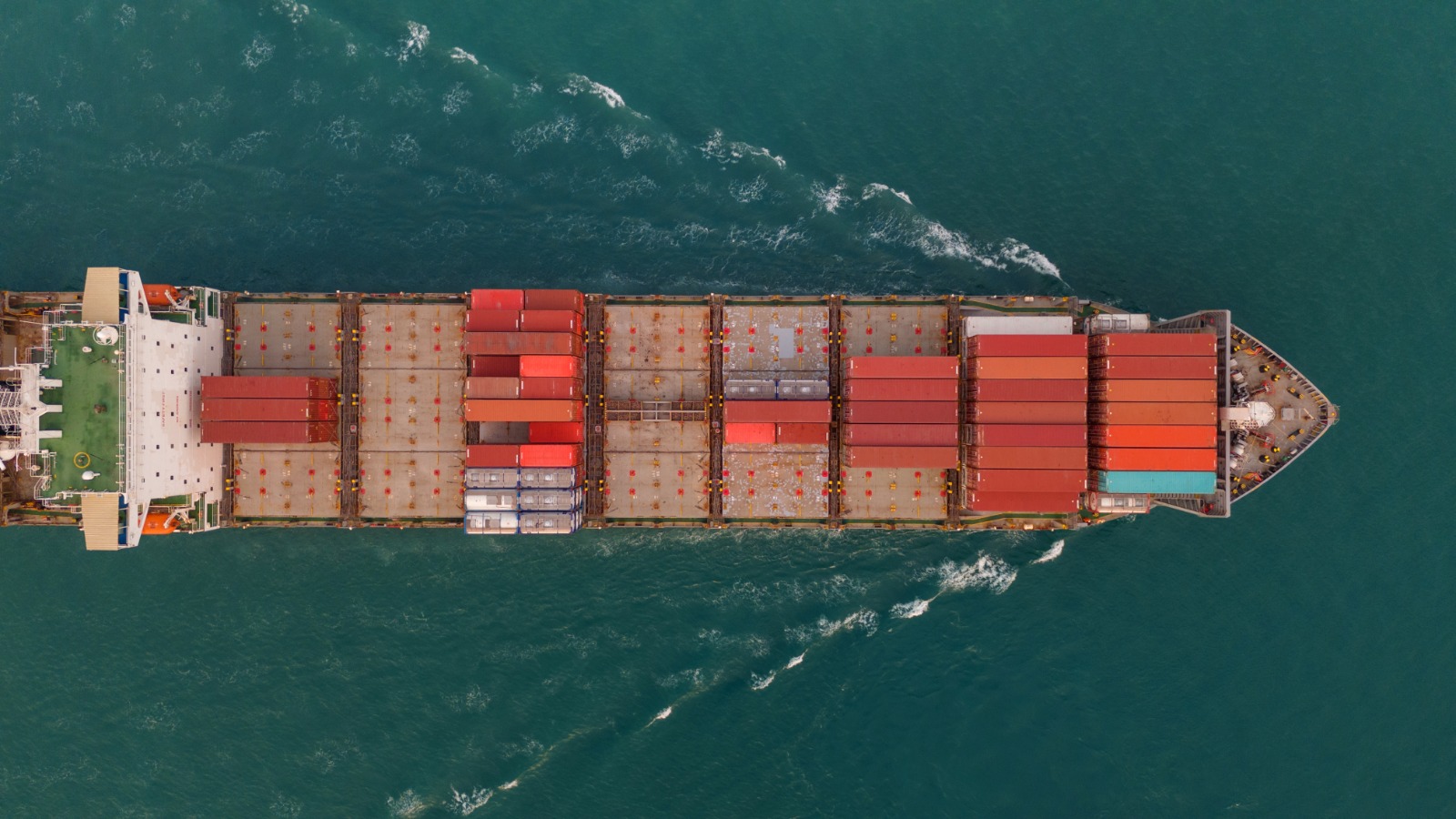
AI-Driven Supply Chain Optimization: Transforming Global Trade Efficiency
AI is transforming supply chain management for importers, exporters, and freight forwarders. Discover how XEMI's AI-powered EXIM platform optimizes global trade efficiency.
Introduction: AI-Driven Supply Chain Optimization and the Future of Global Trade Management In the intricate dance of global trade, the supply chain is the unseen rhythm that keeps the world in motion. It's a complex choreography in which a delay in one corner of the globe can ripple across thousands of miles, disrupting the flow of goods. For years, managing this delicate balance has been a challenge, with businesses relying on experience, intuition, and a fair amount of guesswork to keep things moving. But as the world becomes more interconnected, the stakes are higher, and the old ways of managing the supply chain are no longer enough. Enter artificial intelligence (AI) - a new partner in the dance, bringing with it the power to transform the way we manage global trade. With its ability to analyze vast amounts of data and predict the unpredictable, AI is helping businesses navigate the complexities of the supply chain with greater precision and ease. But beyond the algorithms and data crunching, what AI really offers is a way to bring more humanity back into the process, allowing us to focus on what truly matters: building strong relationships, delivering on promises, and creating a sustainable future.
The Human Heartbeat of the Supply Chain: Why AI-Powered Trade Platforms Must Serve People First At its core, the supply chain is about people. It's about the farmers who grow coffee beans, the workers who assemble smartphones, and the drivers who deliver goods to our doorsteps. Every link in the chain represents human effort, and when the chain breaks, it's not just about lost profits - it's about people's livelihoods and the trust that consumers place in businesses. In the past, managing the supply chain often meant reacting to problems as they arose - rushing to find new suppliers, scrambling to reroute shipments, or apologizing to customers for delays. It was a constant race against time, with little room for foresight or strategic planning. But with AI, we can shift from a reactive to a proactive approach, anticipating issues before they become crises and making decisions that benefit everyone involved.
Anticipating the Unexpected: AI Predictive Analytics for Supply Chain Visibility and Import Export Risk Management Imagine knowing about a potential disruption before it happens - a looming storm, a political upheaval, or a sudden spike in demand. With AI's predictive capabilities, this is becoming a reality. By analyzing real-time data from diverse sources, AI can identify patterns and trends that might escape even the most experienced human eyes. It's like having a sixth sense, allowing businesses to prepare for the unexpected and avoid the panic that often comes with last-minute changes. But more than just predicting problems, AI helps create solutions that work for everyone. For example, if a shipment is delayed, AI can suggest alternative routes or suppliers to ensure the goods reach their destination on time. This not only keeps the supply chain moving smoothly but also protects the relationships that businesses have built with their customers and partners.
Making Every Move Count: AI-Powered Demand Forecasting, Route Optimization, and Trade Workflow Automation In the world of global trade, every decision matters. A slight miscalculation in inventory can lead to excess stock that ties up capital or, worse, empty shelves that disappoint customers. Here, AI steps in as a guide, offering insights that help businesses make informed decisions at every step. By accurately forecasting demand, optimizing routes, and efficiently managing resources, AI ensures that every move counts. But AI isn't just about numbers and logistics - it's about making life easier for the people behind the scenes. By automating routine tasks and providing clear, actionable insights, AI frees up time and energy for supply chain managers to focus on what they do best: building relationships, solving problems, and driving innovation.
Sustainability at the Forefront: AI for Sustainable Supply Chain Management and Trade Compliance in India In today's world, running an efficient supply chain isn't enough. Consumers and regulators alike are demanding greater transparency and accountability, especially regarding environmental impact. AI is helping businesses meet these demands by identifying inefficiencies, reducing waste, and minimizing carbon footprints. For instance, by optimizing delivery routes, AI can reduce fuel consumption, lowering emissions and environmental impact. But sustainability isn't just about technology - it's about making choices that reflect our values and our commitment to the future. AI helps businesses make these choices, offering solutions that are not only efficient but also ethical and sustainable.
Conclusion: XEMI and the Future of AI-Driven Supply Chain Optimization for Global Trade

The supply chain may be complex, but at its heart, it's about people. It's about the trust we place in each other, the promises we make, and the efforts we take to deliver on those promises. AI is helping to bring more humanity to the supply chain, allowing businesses to focus on what really matters: creating value, building relationships, and making a positive impact on the world. As we look to the future, platforms like XEMI are leading the way in integrating AI into the fabric of global trade. By leveraging AI-driven insights, XEMI is helping businesses not only optimize their supply chains but also build a more sustainable and connected world. It's a future where technology serves humanity, and where every link in the chain is stronger, more resilient, and more compassionate.
About the Author Devanshu Mehta is a leading expert in logistics and supply chain management, serving as a Sr. Sales Manager at XEMI.io. With extensive experience in driving digital transformation and automation in the logistics sector, Devanshu is passionate about helping businesses enhance their efficiency and achieve their operational goals. About XEMI XEMI is a next-generation cloud-based cross-border platform that helps importers, exporters, and customs brokers automate and digitally transform their operations using advanced AI and machine learning technologies. www.xemi.io | Devanshu.mehta@xemi.io | +91 9157363917
FAQ
Frequently asked questions
What is AI-driven supply chain optimization, and how does it apply to importers and exporters in India?
AI-driven supply chain optimization uses artificial intelligence to analyze trade data, predict disruptions, automate workflows, and help businesses make faster, more accurate decisions across global trade operations. For importers and exporters in India, this means real-time shipment visibility across carriers and ICEGATE, predictive alerts for demurrage risk and customs clearance delays, automated trade document processing, and route optimization that reduces costs and delivery times. Platforms like XEMI apply AI across the entire import export lifecycle, from purchase order to goods receipt, giving trade teams the intelligence to shift from reactive firefighting to proactive decision-making.How does AI help import export teams shift from reactive to proactive supply chain management?
Most import-export teams manage their supply chains reactively, learning about customs holds, document errors, and shipment delays only after the problem has already occurred and costs have started to accumulate. AI-powered supply chain platforms shift this by continuously monitoring live shipment data, trade document status, and compliance obligations simultaneously, surfacing risks before they escalate. XEMI's XI Intelligence engine, for example, calculates demurrage exposure per container before free days expire, flags document discrepancies before ICEGATE filing, and monitors DGFT license utilization in real time, so trade teams act before problems become costs rather than after.How does AI predictive analytics improve shipment tracking and reduce delays for freight forwarders and importers?
AI predictive analytics for shipment tracking works by consolidating real-time data from vessel AIS feeds, carrier portals, port systems, ICEGATE, and last-mile tracking sources such as FASTag and LDB into a single, unified view. Machine learning models then calculate predicted arrival times based on live vessel schedules and port congestion patterns, identify which active shipments are at risk of missing free days or customs filing deadlines, and route automated alerts to the right team member with enough lead time to act. XEMI Traq delivers this capability across 330-plus shipping lines and 100-plus airlines without requiring manual portal logins.What role does AI play in sustainable supply chain management for global trade operations?
AI contributes to sustainable supply chain management by identifying inefficiencies that waste both money and resources. Route optimization algorithms reduce fuel consumption and emissions on freight lanes. Demand forecasting prevents overproduction and excess inventory that becomes waste. AI-powered trade document automation eliminates paper-based processes and reduces the administrative burden that grows linearly with shipment volume under manual workflows. For importers and exporters in India, sustainability also means regulatory compliance, meaning operations that do not create the compliance exposure that leads to costly disruptions, penalties, and corrective interventions.How does XEMI use AI to optimize supply chain operations for Indian importers, exporters, and freight forwarders?
XEMI applies AI across four dimensions of supply chain optimization for Indian trade teams. XEMI DataFlow uses machine learning to automatically extract and cross-validate trade documents, eliminating the data entry and error correction that consume most of the manual workflow. XEMI Traq uses AI to consolidate shipment data from 330+ carriers, AIS, ICEGATE, ULIP, LDB, and FASTag into a single live view, with predictive ETA recalculation and demurrage risk scoring. XEMI Clear automates the customs clearance workflow from document to filed entry, reducing job time from 75 minutes to 11 minutes. And XI Intelligence continuously monitors compliance obligations, regulatory changes, and shipment anomalies, surfacing risks before they require human intervention.What is the difference between a traditional supply chain management system and an AI-powered EXIM platform like XEMI?
A traditional supply chain management system records what has happened and stores transaction data. An AI-powered EXIM platform like XEMI works on what is happening right now and what is likely to happen next. Traditional systems tell you a shipment has arrived. XEMI tells you three days before arrival whether your documents are complete for filing, whether your container free days will run out before customs clears, what your total landed cost will be, and whether any compliance obligation is at risk. The shift from record-keeping to real-time intelligence is what transforms supply chain management from a cost center into a genuine operational advantage for importers, exporters, CHAs, and freight forwarders in India.